

Warehouse Staffing Challenges in 2026 and How Employers Can Stay Ahead
Warehouse Staffing Challenges in 2026 and How Employers Can Stay Ahead
Why warehouse hiring is becoming more complex and the strategies leading employers are using to build resilient workforces.
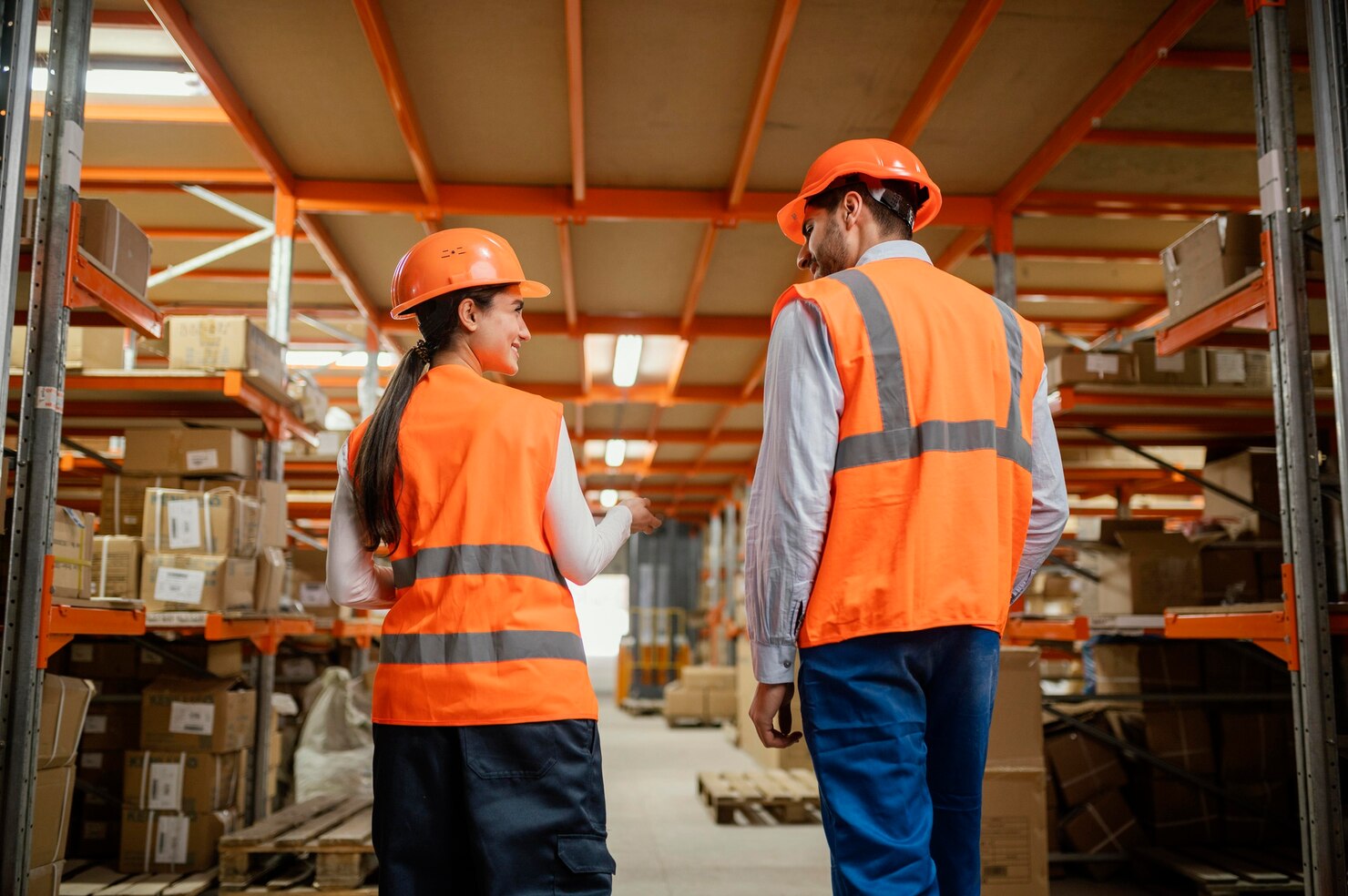
Warehouses Are Under More Pressure Than Ever
Warehouses have become the heartbeat of today’s supply chain.
From e-commerce fulfillment and retail distribution to manufacturing support and third-party logistics, customers expect faster deliveries, greater accuracy, and uninterrupted operations. At the same time, warehouse operators are facing rising labor costs, ongoing staffing shortages, higher productivity expectations, and increasing operational complexity.
The challenge is no longer simply finding workers.
It is finding dependable employees who can adapt to a fast-paced environment while helping businesses maintain efficiency, safety, and customer satisfaction.
As we move through 2026, warehouse staffing has become one of the biggest operational priorities for supply chain leaders.
Why Warehouse Hiring Is More Challenging Today
Several factors are reshaping warehouse workforce planning.
Labor Shortages Continue
Warehouses continue to compete for qualified associates, forklift operators, shipping and receiving specialists, inventory professionals, and supervisors. Labor shortages across logistics, construction, and manufacturing have intensified competition for skilled workers, particularly in high-growth regions.
Customer Expectations Keep Rising
Same-day and next-day delivery have changed how warehouses operate. Businesses need employees who can work efficiently while maintaining high levels of accuracy and safety.
Workforce Expectations Have Changed
Today’s employees expect more than competitive pay. They also value consistent schedules, safe workplaces, career growth opportunities, and supportive leadership. Organizations that invest in employee experience are often better positioned to improve retention.
Challenge 1: Hiring Fast Without Sacrificing Quality
Open warehouse positions can impact productivity almost immediately.
When vacancies remain unfilled, businesses often experience:
- Delayed shipments
- Increased overtime
- Employee burnout
- Lower productivity
- Higher operating costs
The pressure to hire quickly is real, but rushing the process can lead to poor hiring decisions that increase turnover.
The goal should not simply be faster hiring.
It should be smarter hiring.
Challenge 2: Retaining Warehouse Employees
Recruiting employees is only half the challenge.
Keeping experienced workers has become equally important.
High turnover affects every aspect of warehouse operations, including:
✔ Productivity
✔ Training costs
✔ Team morale
✔ Customer service
✔ Operational consistency
Employers that prioritize onboarding, communication, recognition, and career development are more likely to build stable, engaged teams.
Challenge 3: Balancing Automation and People
Warehouse technology continues to evolve.
Artificial intelligence, warehouse management systems, autonomous mobile robots, and automated material handling equipment are improving operational efficiency. Rather than replacing workers, these technologies are changing how work is performed and allowing employees to focus on higher-value activities.
The future warehouse will depend on both technology and skilled people working together.
Businesses that invest in workforce training alongside automation will be better prepared for long-term success.
Challenge 4: Managing Seasonal Demand
Warehouse activity often fluctuates throughout the year.
Holiday seasons, promotional events, inventory replenishment, and customer demand can require businesses to scale their workforce quickly.
Without proactive planning, organizations may face:
- Labor shortages
- Overtime costs
- Delayed fulfillment
- Increased hiring expenses
Building a flexible staffing strategy helps businesses respond to demand while maintaining operational efficiency.
Challenge 5: Maintaining Safety While Scaling Operations
As warehouses become busier, maintaining workplace safety becomes even more important.
New employees, temporary workers, and increased production schedules require structured onboarding and consistent safety practices.
Employers should prioritize:
✔ Safety orientation
✔ Equipment training
✔ PPE awareness
✔ Job-specific instruction
✔ Clear communication
A strong safety culture helps reduce workplace incidents while supporting productivity.
How Leading Employers Are Staying Ahead
Successful warehouse operators are taking a more strategic approach to workforce management.
Build a Talent Pipeline
Rather than recruiting only when positions become available, maintain relationships with qualified candidates who are ready to work.
Use Flexible Staffing Models
Temporary staffing, Temp-to-Hire, and Direct Hire solutions allow businesses to adjust workforce levels without sacrificing productivity.
Invest in Employee Experience
Competitive pay is important, but so are communication, recognition, career development, and workplace culture.
Embrace Technology
Warehouse technology should support employees, improve efficiency, and provide better visibility into workforce planning.
Partner with Staffing Specialists
Working with recruiters who understand warehouse operations can reduce hiring time while improving placement quality.
The Cost of Waiting
Many businesses wait until operations are already under pressure before beginning recruitment.
By that point:
- Qualified candidates may already be employed.
- Hiring becomes more expensive.
- Existing employees work additional overtime.
- Productivity begins to decline.
Proactive workforce planning helps organizations stay prepared rather than react under pressure.
How Alpine Helps
Warehouse staffing requires speed, flexibility, and a deep understanding of operational demands.
At Alpine Industrial Staffing, we specialize in connecting warehouses, distribution centers, logistics providers, and manufacturing facilities with dependable light industrial talent. Our recruiters continuously source and screen qualified candidates, allowing us to maintain an active pipeline of job-ready employees.
Whether you need temporary associates during peak season, Temp-to-Hire employees, direct hire professionals, or ongoing workforce support, Alpine delivers staffing solutions tailored to your operational goals.
By combining industry expertise, proactive recruiting, and responsive service, we help businesses reduce hiring delays, improve workforce stability, and keep warehouse operations moving efficiently.
Final Thoughts
Warehouse operations are becoming more complex, but the fundamentals remain the same.
Businesses still need dependable people, safe workplaces, and flexible workforce strategies.
Organizations that invest in proactive hiring, employee retention, workforce planning, and strong staffing partnerships will be better equipped to navigate the challenges of 2026 and beyond.
The warehouses that perform best tomorrow are preparing their workforce today.